During both chronic infection and cancer, CD8 T cells often progressively lose function. While immune checkpoint blockade (ICB) has shown promise in restoring the function of exhausted CD8 T cells, ICB has remained ineffective for treating solid tumors. Therefore, an improved understanding of the mechanisms that regulate exhausted CD8 T cells is necessary to continue developing strategies to reprogram these cells.
Driving T Cell Exhaustion
In a new study, published in The Journal of Immunology, researchers addressed this need by investigating the underlying mechanisms that cause CD8 T cells to become either terminally exhausted cells or cytolytic effector cells crucial for viral or tumor control. They uncovered that CD7 acts as a previously unrecognized driver of T cell exhaustion.
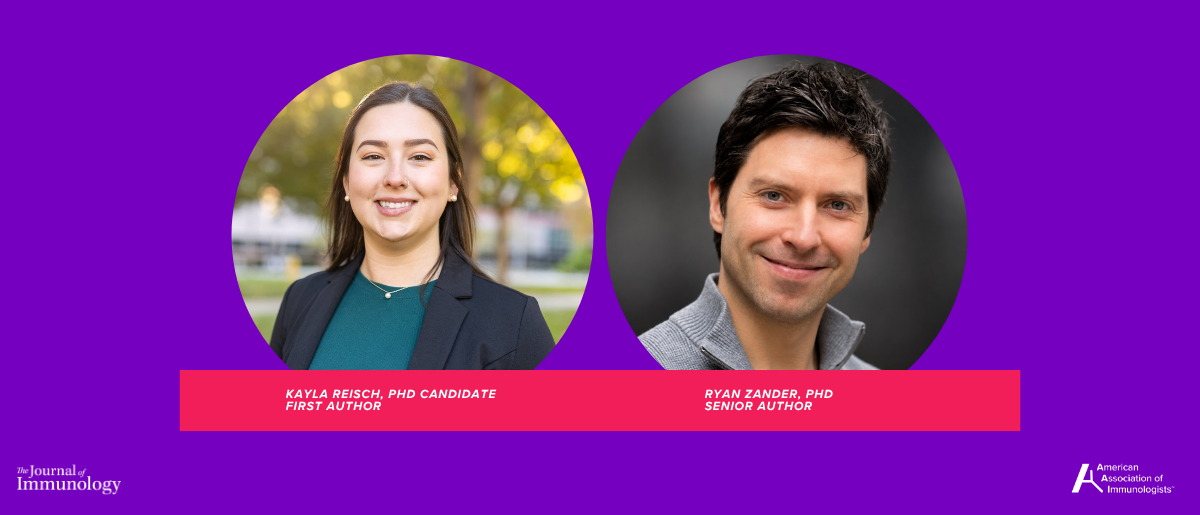
“Targeting CD7 may be a novel therapeutic strategy to enhance functional effector CD8 T cell formation and promote effective clearance of virus-infected or cancerous cells,” said Kayla Reisch, PhD Candidate in the lab of Ryan Zander, PhD at the University of Iowa and first author of the paper.
What is the Role of CD7?
The research team observed that CD7 restricts the generation of functional effector T cells and reinforces terminally exhausted T cell (Texterm) formation. Increases in CD7 drove CD8 T cell differentiation toward a dysfunctional state, and its expression was highest among Texterm cells responding to chronic viral infection or tumors. The authors shared this is likely due to CD7 amplifying T cell receptor signaling and inducing exhaustion-programming transcription factors.
Bolstering their findings, data showed that deletion of CD7 was associated with superior functionality and an enhanced capacity to confer protection against viral replication or tumor growth.
Can CD7 Synergize Checkpoint Blockade Therapy?
“These data highlight the need for more research and attention on CD7 as a potential checkpoint to expand currently available ICB therapies that could limit T cell exhaustion during chronic infection or cancer,” added Reisch.
“One of the next steps that our lab is investigating is determining whether targeting CD7, or its ligands, can synergize with checkpoint blockade, such as anti-PD-1 therapy to further augment CD8 T cell-mediated control over cancer,” shared Dr. Zander. While anti-PD-1 treatment is well-established to promote the expansion of stem-like exhausted CD8 T cells, the research team believes that blocking CD7 signaling may redirect the differentiation of these cells towards an effector-like state, helping to mitigate T cell dysfunction.
The full research paper can be found in The Journal of Immunology (The JI), published by the American Association of Immunologists. As one of the most highly cited journals in the field of immunology, The JI is committed to describing novel findings in all areas of experimental immunology, including basic and clinical studies.