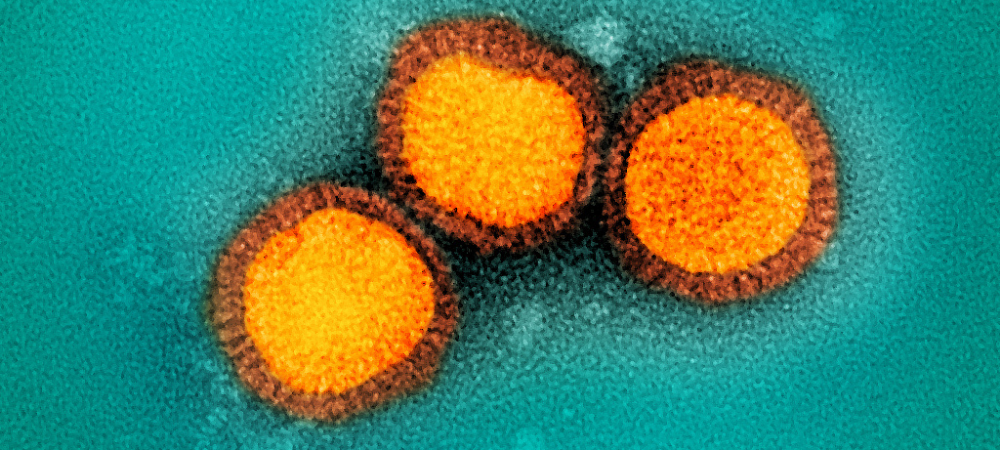

During the COVID-19 pandemic, mRNA vaccines showed great success at inducing protective immunity to SARS-CoV-2. However, it has been observed that CD8+ T cell responses induced by mRNA vaccines exhibit great variability between individuals. As cytotoxic CD8+ T cell responses are essential for eliminating virus-infected cells during the early stages of infection, researchers are exploring how to consistently induce this component of immunity across individuals.
Why Does the Effect of mRNA Vaccination Vary?
In a recent study, published in The Journal of Immunology, researchers comprehensively analyzed the dynamics of CD8+ T cell responses following the third dose of an mRNA vaccine. Led by Dr. Takuya Yamamoto, Director of the Center for Intractable Diseases and ImmunoGenomics (CiDIG), National Institutes of Biomedical Innovation, Health, and Nutrition (NIBN) in Japan, the researchers sought to identify factors that contributed to CD8+ T cell persistence.
When comparing blood samples from 141 healthy individuals, the researchers found that individuals who maintained robust CD8+ T-cell responses for over six months following their third mRNA vaccine, exhibited upregulated Notch signaling early after vaccination. The research team expanded on this finding using a novel in vitro assay to demonstrate that inhibiting Notch signaling severely impaired the capacity of vaccine-induced CD8+ T cells to proliferate upon antigen re-encounter.
“These findings provide a clear mechanistic explanation for the inter-individual variability observed in cellular immunity following mRNA vaccination and highlight Notch pathway activity as a potential biomarker for evaluating vaccine durability, said Dr. Yamamoto.
Next-Generation mRNA Vaccines
“This research also provides a foundation for the rational design of next-generation mRNA vaccines. By strategically targeting or incorporating Notch-activating components, such as novel adjuvants, we could prolong CD8+ T-cell memory to offer more robust, long-lasting cellular protection against various infectious diseases. As mRNA technology continues to be explored beyond infectious diseases, enhancing CD8+ T cell memory could also be applied to cancer immunotherapies,” added Dr. Yamamoto.
The research team plans to build on these findings by investigating the upstream factors that lead to differences in Notch activation between individuals, such as T cell receptor avidity or the inflammatory microenvironment induced by lipid nanoparticles.
“Our overarching goal is to develop novel, highly effective vaccines by bridging advanced RNA technology with immunology. To do that, we are very interested in exploring in vivo models to test whether modulating Notch signaling can enhance the longevity and functionality of memory CD8+ T cells,” emphasized Dr. Yamamoto. This research expands the field’s understanding of mRNA vaccine-induced CD8+ T cell immunity to help guide the development of next-generation vaccines.
The Journal of Immunology (The JI), published by the American Association of Immunologists is one of the most highly cited journals in the field of immunology. The JI is committed to describing novel findings in all areas of experimental immunology, including basic and clinical studies.