Integrating Inclusive Practices, Group Work, and AI Tools
This article is part of the AAI Teaching Tools series. More articles can be found in the Teaching Tools section. Archived articles can be found on the AAI website.
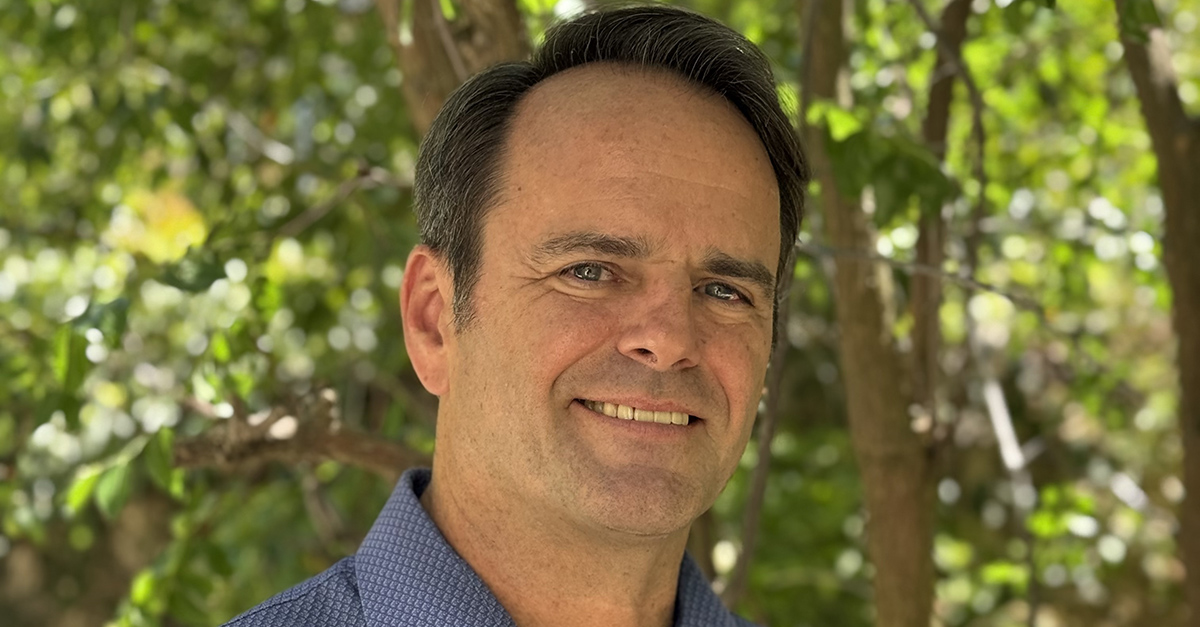
by Jennifer O. Manilay, PhD
Professor, Department of Molecular Cell Biology, School of Natural Sciences, University of California–Merced
BIO 154: Developmental Immunology (with a Focus on Stem Cells) is an upper-division elective (24 students, two 75-minute lectures plus 50-minute discussion per week) at the University of California, Merced, designed for Biological Sciences majors seeking deeper engagement with immune system development and stem cell biology. Taught at a Minority-Serving, R1 institution with a highly diverse undergraduate population that is 62% first-generation and 61% Pell-eligible, my aim was to create equitable entry points for learners with varied preparation in immunology. In particular, the course was designed to stand independently from the traditional undergraduate immunology course (1), with introductory general biology and core cell biology serving as prerequisites.
Course Goals
By participating in this course, students will be able to:
- Analyze and synthesize research in developmental immunology
- Apply stem cell biology concepts to immune system development
- Evaluate emerging technologies in regenerative medicine and immunotherapy
- Assess ethical challenges in stem cell-based treatments
Through a blend of lecture, discussion, and group-based learning, students explore hematopoietic stem cell origins, lymphoid organogenesis, T cell maturation, inborn errors of immunity, immune aging, and emerging stem cell–based therapies and technologies applicable to immunodeficiencies.
Turning Students into Experts
One of my goals during a year-long sabbatical was to rethink how to teach developmental immunology so that students could enter the course with confidence, engage meaningfully with primary literature, and experience a strong sense of community. To meet these goals, I integrated inclusive teaching practices (2, 3), structured active-learning routines, and purposefully designed group work.
Pedagogical strategies included case studies, peer-teaching activities, reflective exercises, gallery walks (an activity aimed at introducing peer-reviewing skills, reinforcing scientific concepts and promoting team-building), and a multi-stage jigsaw activity in which students became “experts” on research abstracts before teaching their peers. Student-generated community guidelines (4) further established norms for respect and collaboration.
AI Partner
A key element of the course redesign was the intentional use of AI as a partner in teaching. I had originally set out to learn how to teach AI literacy to my students, but within our faculty learning community, it soon became clear that we first needed to develop our own understanding and skills. I explored different AI tools, but I relied primarily on ChatGPT (paid version) to brainstorm formative assessments, generate reading guides to support comprehension of primary literature, create structured lesson plans, and design metacognitive exit tickets (brief, low-stakes prompts in which students evaluate their learning processes, to promote self-awareness and help identify gaps in understanding).
AI tools also helped me compile student-generated community norms and create tailored homework assignments. Importantly, AI did not replace my expertise; rather, it reduced cognitive load and created space for me to prioritize student-centered learning. This shift allowed me to focus more deeply on facilitating discussions, refining learning outcomes, and ensuring alignment between assessments and instructional goals.
Student Impact and Feedback
Preliminary evidence of student impact was drawn from homework , group presentations, reflective self-assessments, and end-of-semester feedback surveys. Students reported that collaborative learning, active engagement, and opportunities to present and discuss primary literature were the most rewarding aspects of the course. Many indicated increased comfort synthesizing scientific articles (collaboratively integrating insights from multiple primary papers) and applying concepts to case studies involving immune development and stem cell–based therapies.
One student reflected in a feedback survey, “In-class learning activities definitely enhanced my learning of developmental immunology, especially the group assignments where we were posed with a question and then, based on an article or the use of the internet, we had to come up with a presentation to the class about what we learned.” This comment illustrates how structured group inquiry and presentation supported deeper comprehension and active knowledge construction.
Reflective writing demonstrated growing awareness of ethical considerations and emerging technologies, aligning with the course’s learning outcomes. Collectively, these data suggest that the redesigned curriculum strengthened scientific literacy, boosted confidence, and deepened conceptual understanding.
Conclusions
I offer this work as a model for integrating inclusive pedagogy and AI-enabled teaching practices in upper-division immunology courses. By combining structured group work, clear learning outcomes, intentional community-building, and thoughtfully leveraged digital tools, BIO 154 advances an equitable and engaging learning environment in which diverse students can thrive. In the most recent iteration of the course, I incorporated structured prompts asking students to critically reflect on their use of AI in completing homework assignments and leveraged AI to design “AI-resistant” assignment questions that required them to incorporate information generated during the in-person meetings. My contribution highlights how AI can serve as a catalyst for reflective, student-centered course design.
Examples of my course materials (including community guidelines, jigsaw activity, and gallery walk) can be found online.
Acknowledgements: I am indebted to the UC Merced Teaching Commons, the Course (Re)Design Institute, faculty collaborators, student participants, and the AAI Laboratory Travel Award and the AAI Immunology Teaching Interest Group for supporting this work.
References:
- Porter, E. et al. (2021). American Association of Immunologists Recommendations for an Undergraduate Course in Immunology. ImmunoHorizons, Volume 5, Issue 6, June 2021, Pages 448–465. https://doi.org/10.4049/immunohorizons.2100030
- Tanner, K.D. (2017) Structure Matters: Twenty-One Teaching Strategies to Promote Student Engagement and Cultivate Classroom Equity. CBE—Life Sciences Education Vol. 12, No.3 https://www.lifescied.org/doi/full/10.1187/cbe.13-06-0115
- Hogan, K.A. and Sathy, V. (2022). Inclusive Teaching: Strategies for Promoting Equity in the College Classroom. West Virginia University Press.
- Cornell University Center for Teaching Innovation, https://teaching.cornell.edu/resource/establishing-community-agreements-and-classroom-norms