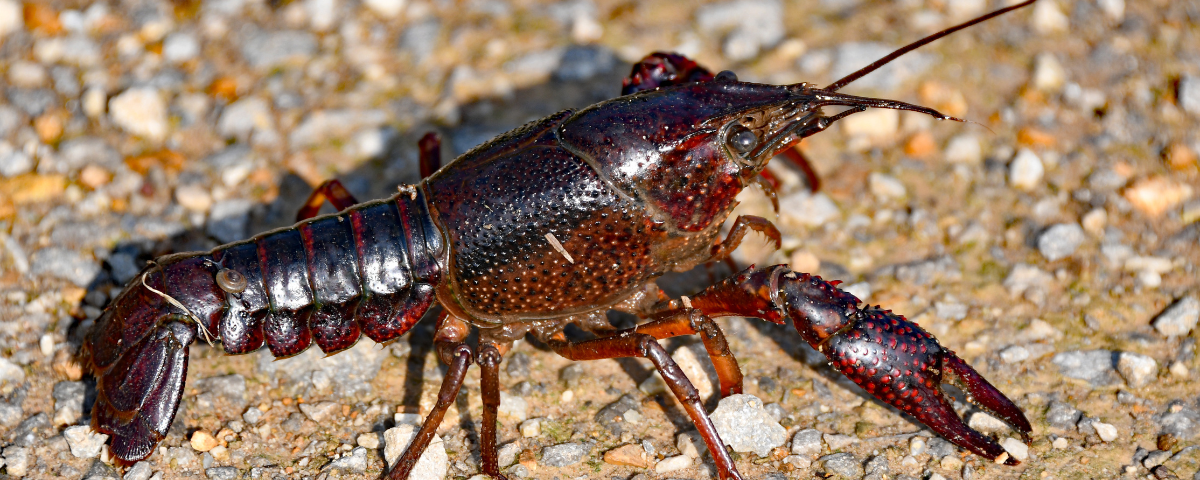
As in mammals, blood cells, or hemocytes, are the primary immunological effector cells in invertebrates. Freshwater crayfish can live 20-30 years on the bottoms of lakes and rivers, constantly surrounded by millions of different microorganisms and potential pathogens. Previous studies have shown that this constant exposure and long lifespan mean the crayfish’s immune system is continuously active, and that hemocytes are consumed and reproduced throughout its life. While functional and morphological similarities exist between arthropod hemocytes and mammalian granulocytes, it has remained unclear whether these cells share a common evolutionary origin.
Researchers at Uppsala University in Sweden, led by Dr. Irene Söderhäll, Professor in the Department of Organismal Biology: Physiology and Environmental Toxicology, investigated the mechanisms underlying hematopoiesis in crayfish to provide new insights into the evolution of the innate immune system.
Crayfish Hematopoiesis
Their findings, published in The Journal of Immunology, demonstrated a conserved mechanism between human HL-60 myeloid cells and crayfish hematopoietic tissue cells. They found that mitochondrial DNA (mtDNA) copy number is higher in undifferentiated crayfish hematopoietic tissue cells than in differentiated, mature hemocytes. The researchers say this suggests that mitophagy may be an essential mechanism during differentiation, as in mammals.
The researchers also demonstrated that when treating hematopoietic tissue with DMSO, the production of reactive oxygen species (ROS) increased, harming mitochondria and inducing mitophagy. In some human cell types, such as HL-60, DMSO induces differentiation by generating ROS. When investigating how DMSO induces cell differentiation in crayfish, the researchers identified beta-catenin signaling as essential for hematopoietic stem cell differentiation. Their results suggest that a similar mechanism may underlie DMSO-induced hematopoietic cell differentiation in crayfish as in HL-60 cells.
Evolution of Innate Immunity
“Our results provide new insights into the evolution of the innate immune system and hematopoiesis in general. They have important implications for enhancing the health and resilience of invertebrates in both natural ecosystems and aquaculture, with potential applications for managing diseases and improving environmental adaptability,” Dr. Söderhäll shared.
Building on this work, the researchers hope to decipher in more detail the signaling pathway involved in differentiation and understand the crosstalk with mitochondrial health and turnover during this process.