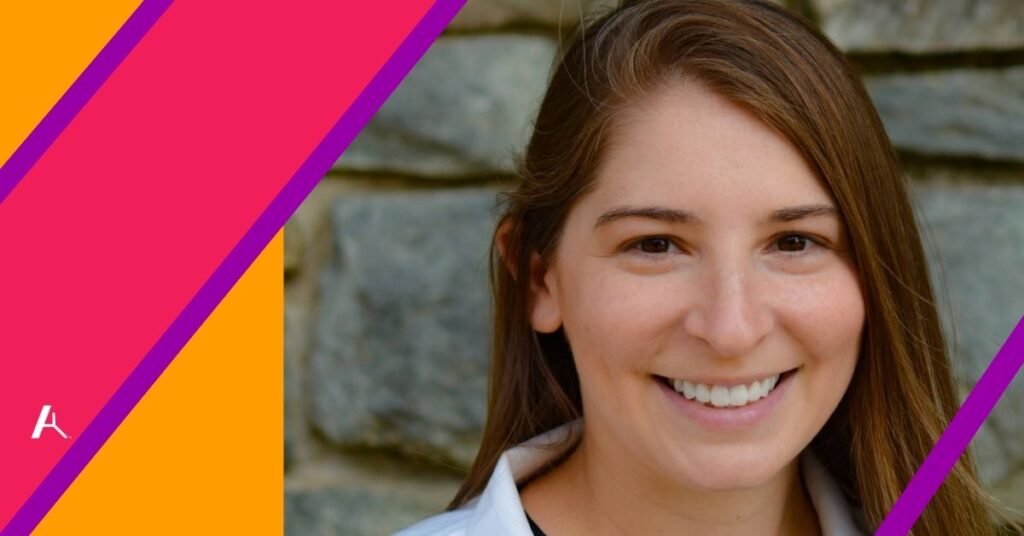
Jessica C. Hargarten, PhD, is an assistant professor in the Department of Pathology, Immunology, and Laboratory Medicine at the Rutgers New Jersey Medical School. Dr Hargarten earned her doctorate at the University of Nebraska-Lincoln. She did postdoctoral training at the National Institute of Allergey and Infectious Diseases (NIAID) and the NIH Clinical Center, where she began to uncover the genetic and immunologic factors underlying human susceptibility to invasive fungal disease.
We spoke with Dr. Hargarten about her career, her current research, and why she decided to become an AAI Member.
What made you decide to join AAI?
I was first introduced to AAI as a graduate student in Dr. Deb Brown’s lab at the University of Nebraska, Lincoln, almost a decade ago. AAI has been instrumental in my education on the immune system. Since my research is at the intersection of fungal biology, human genetics, and immunology, I look forward to continuing to learn from experts in the field at AAI’s yearly master class in Immunology as well as contributing to the discussion of how and why our immune system fails during fungal infections.
How did you first become interested in immunology?
Since I was little, hiking in the mountains with my parents and sisters, I have always been puzzled as to why the beautiful fungi we see in nature can be so deadly to the right person. This dichotomy was the catalyst for my interest in pursuing a career in the life sciences, specifically immunology and the host immune responses that are necessary for protection.
What are your current research interests?
The Hargarten Lab at Rutgers New Jersey Medical School is interested in answering a basic question: why do some people get really sick when they encounter fungi and others don’t? Our goal is to utilize this information to both enhance patient risk stratification and develop precision medicine approaches to restore host immunity and minimize post-infectious inflammation. Through whole-exome sequencing/whole-genome sequencing of the largest cohort of otherwise healthy cryptococcosis patients, we recently identified clusters of potentially deleterious genetic defects in patients that fall within biological and immunological pathways previously unexplored in the context of fungal disease.
What is one thing you wish everyone knew about immunology?
I wish everyone knew how beautifully amazing the human immune system is and how much built-in redundancy it has, which keeps the human body healthy most of the time. Immunologists are fortunate to get to tackle the greatest puzzles daily: what immune pathways must break for disease to occur, and how do we put the pieces back together to restore health? It is not only fun, but rewarding, and can turn into a patient’s long-sought miracle.